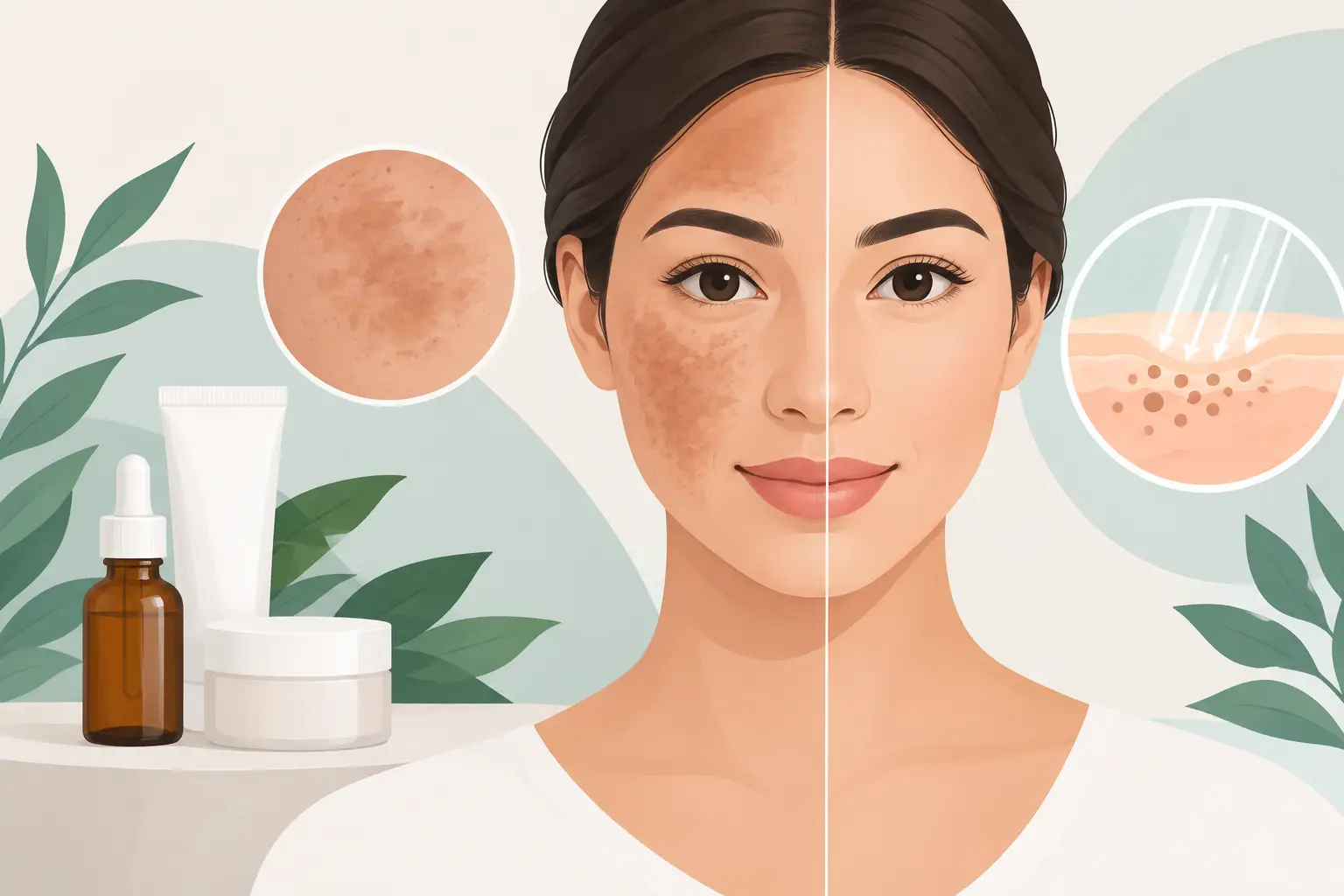
Melasma can feel especially frustrating because it is not simply a surface-level dark spot. The soft brown, gray-brown, or patchy areas that often appear across the cheeks, forehead, upper lip, and jawline are closely tied to pigment activity in the skin. A thoughtful non surgical treatment for melasma focuses on calming that activity, protecting the skin from triggers, and improving its overall clarity without asking you to put your life on hold.
At Kadmiel Advanced Integrative Aesthetics, melasma care begins with listening. Your skin history, current products, sun exposure, lifestyle, hormones, and sensitivity all matter. The goal is not to chase a fast, aggressive fix. It is to create a personalized plan that supports refined, natural-looking improvement while helping protect the progress you make.
Why Melasma Needs a Personalized Approach
Melasma is a form of hyperpigmentation, but it behaves differently from many individual sunspots. It is commonly influenced by ultraviolet light, visible light, heat, hormonal changes, genetics, pregnancy, certain medications, and skin inflammation. For some people, even a warm outdoor walk, a day near a sunny window, or irritation from an overly strong product can make patches look darker.
That is why a one-size-fits-all facial or a powerful exfoliation is not always the right answer. Skin that is irritated may respond by producing more pigment, particularly in deeper skin tones or in anyone prone to post-inflammatory hyperpigmentation. The most successful approach is often gradual: strengthen the skin barrier, reduce pigment triggers, introduce corrective treatments carefully, and reassess how your skin responds over time.
Melasma also tends to be chronic. It can improve significantly, yet it may return when treatment stops or triggers increase. That does not mean treatment has failed. It means maintenance is part of caring for pigment-prone skin, much like consistent exercise supports long-term strength.
Non Surgical Treatment for Melasma Starts With Skin Analysis
A professional consultation helps distinguish melasma from sun damage, acne marks, freckles, or other forms of discoloration. These concerns can look similar at first glance, but they do not always respond to the same treatment approach.
At Kadmiel, a detailed assessment may include 3D facial analysis and a close review of your skin’s tone, texture, hydration, sensitivity, and visible pigment patterns. This provides a clearer starting point for a protocol that respects your skin rather than overwhelming it. If a patch of discoloration looks unusual, changes rapidly, itches, bleeds, or has an irregular border, it should be evaluated by a medical provider before any aesthetic treatment.
Your plan may also account for acne, dehydration, redness, clogged pores, or early signs of aging. Addressing the skin as a whole often creates a healthier foundation for more even-looking tone.
The Core of Melasma Care: Daily Protection
Professional treatments are valuable, but home care is where melasma is protected every day. Without consistent sun and heat management, even excellent in-clinic results can fade quickly.
Broad-spectrum sunscreen is essential. Many pigment specialists also recommend a tinted mineral sunscreen with iron oxides, since visible light can contribute to melasma in some people. A generous morning application, reapplication when outdoors, and practical physical protection such as a wide-brimmed hat can make a meaningful difference.
Heat awareness matters, too. You do not need to avoid living your life, but noticing personal triggers is useful. Hot yoga, saunas, intense outdoor exercise, cooking over high heat, and long periods in direct sun may cause flares for some clients. The answer depends on your skin and your routine. A personalized plan should be realistic enough to support, not restrict, your confidence and daily well-being.
Professional Treatments That May Support Clearer Tone
The right treatment depends on how active your melasma is, how sensitive your skin is, your natural skin tone, and whether you have followed a preparation routine. Often, a series of gentle treatments paired with intentional home care is more appropriate than one intense session.
Gentle exfoliation and deep-cleansing facials
Carefully selected professional facials can help lift dull surface buildup, improve hydration, and support smoother texture. Hydrodermabrasion, oxygen facials, and Korean deep-cleansing facial protocols may be incorporated when they are appropriate for your skin’s current condition.
These services are not a stand-alone cure for melasma. Their role is supportive: they can help the complexion look brighter, reduce congestion, and prepare the skin to use corrective products more comfortably. With melasma, the technique and product selection matter as much as the treatment itself. Skin should leave feeling calm, nourished, and refreshed, not tight, hot, or overworked.
Personalized corrective skincare
A tailored home regimen may include ingredients that support a more even-looking complexion and help manage pigment over time. Depending on your needs and tolerance, this can involve antioxidants, pigment-balancing ingredients, gentle cellular renewal, barrier-supporting hydration, and calming care.
More is not always better. Layering multiple strong actives without guidance can lead to redness, peeling, or irritation, which may aggravate discoloration. A thoughtful regimen introduces changes at a pace your skin can handle. Consistency is more valuable than a cabinet full of products.
Some clients may benefit from prescription options provided through a dermatologist or medical provider. That conversation is especially worthwhile for persistent or extensive melasma, during pregnancy or breastfeeding, or when over-the-counter products have not delivered enough improvement. Integrative aesthetic care can work beautifully alongside medical guidance.
IPL and light-based care: helpful for some, not for everyone
IPL skin rejuvenation can improve certain forms of sun-related discoloration and uneven tone. However, melasma requires extra care. Light and heat can worsen melasma when the treatment is not properly selected, timed, or tailored to the individual.
For this reason, IPL should never be treated as an automatic answer to melasma. A qualified provider should assess whether your pigment pattern, skin tone, recent sun exposure, and sensitivity make you a suitable candidate. In some cases, treating the overall complexion with a conservative strategy can be helpful. In others, gentle facials and corrective skincare may be the safer path until the skin is more stable.
This is where personalized care protects both your skin and your investment. A responsible recommendation may be to wait, prepare the skin first, or choose a different modality. Honoring your skin’s needs is always more valuable than rushing toward a treatment that is not right for you.
What Results Can You Expect?
Melasma improvement is usually measured in months, not days. Some clients notice smoother texture, better hydration, and a fresher glow early in their care plan. Pigment changes often take longer and can be gradual, with patches becoming softer, less defined, or easier to cover with minimal makeup.
Your results will depend on the depth of pigment, your triggers, the consistency of home care, and how well you protect your skin from sun and heat. Hormonal melasma can be particularly variable. A treatment plan should set realistic expectations while still giving you clear, encouraging steps forward.
Photos taken in consistent lighting can be more helpful than day-to-day mirror checks. Melasma can appear different under bathroom lighting, natural daylight, and overhead office lights. Tracking progress professionally allows the plan to be adjusted with confidence rather than guesswork.
Habits That Protect Your Progress
Melasma responds best to a calm, consistent routine. Avoid picking at blemishes, scrubbing the skin, or trying frequent at-home peels when your complexion feels reactive. Treating irritation quickly, moisturizing consistently, and limiting unprotected sun exposure can help reduce unnecessary pigment stimulation.
It is also wise to share major changes with your provider. Pregnancy, new medications, a recent vacation, acne flares, waxing or hair-removal routines, and a new skincare product can all affect how your skin behaves. These details help keep your protocol safe and responsive.
A Clearer Plan, Built Around You
Melasma does not need to dictate how you feel when you look in the mirror. With patient, personalized care, many people can achieve a more balanced-looking complexion and feel more comfortable in their skin. The most meaningful next step is a consultation that looks beyond the dark patches and considers your skin, your lifestyle, and the confidence you want to carry forward.
A well-designed plan gives your skin room to improve at its own pace – and gives you the knowledge to protect that progress with care every day.