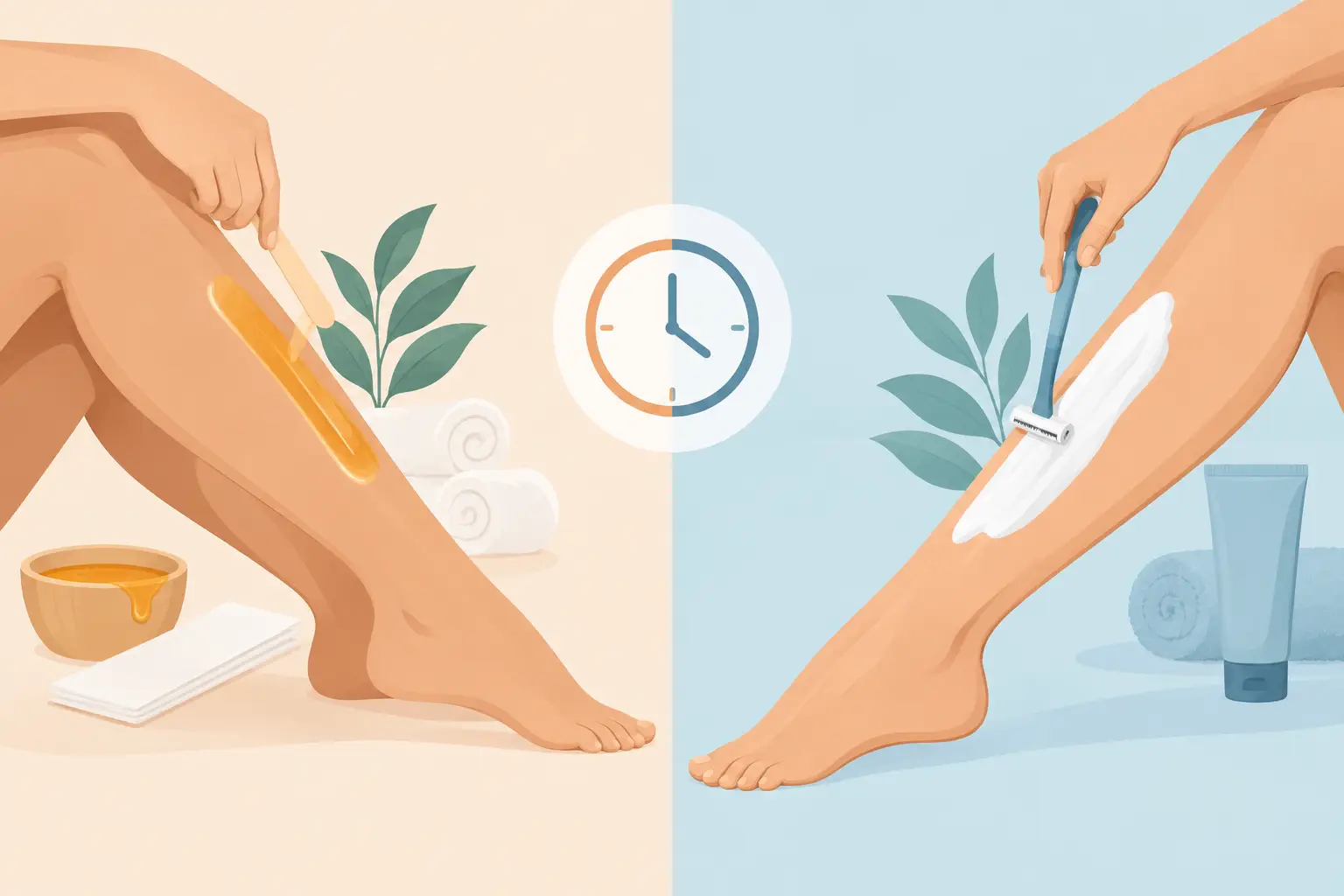
A close shave can look polished before you leave the bathroom, then feel like stubble by the next day. Waxing asks more of your appointment and your skin in the moment, yet often gives you weeks of smoothness. When comparing waxing versus shaving results, the better choice is not simply about pain tolerance. It is about your hair-growth pattern, skin sensitivity, schedule, and how you want to feel between grooming sessions.
For clients who value a clean, confident finish without constant maintenance, understanding the real differences makes it easier to choose a routine that honors both your comfort and your goals.
Waxing Versus Shaving Results at a Glance
Shaving removes hair at the surface of the skin. Because the follicle remains intact below the surface, new growth can become noticeable quickly, often within one to three days depending on the area and your individual growth rate. The result is immediate, convenient smoothness, but it is short-lived.
Waxing removes hair from the root. This leaves the skin smooth for considerably longer, commonly three to six weeks. Regrowth timing varies by body area, hormones, genetics, and the consistency of your waxing schedule, but many people appreciate not having to think about hair removal every day.
The visual difference can be especially noticeable on areas such as the legs, underarms, bikini line, and Brazilian area. A razor cuts each hair bluntly, so regrowth may feel prickly as it emerges. Waxed hair grows in with a naturally tapered end, which can feel softer even though waxing does not guarantee that hair will grow back finer or less densely.
Smoothness, Regrowth, and Daily Maintenance
The most practical distinction between waxing and shaving is the maintenance cycle. Shaving is easy to do at home and can fit into a shower routine. It works well when you need a quick result for a single event, prefer low-cost upkeep, or are not ready to grow hair out before removal.
That convenience comes with repetition. Regular shaving may mean replacing blades, using shave products, and planning around stubble. On areas prone to friction, such as the bikini line or underarms, frequent razor use can also contribute to irritation, razor burn, or ingrown hairs.
Waxing requires enough length for the wax to grip the hair, usually about one-quarter inch. That means allowing a short period of growth before each appointment. For some people, this is the main trade-off. For others, the longer smooth period is well worth it.
Consistent waxing can make the routine feel more predictable. When appointments are spaced appropriately, hairs are often removed at different stages of their growth cycle, and the overall regrowth can appear more even over time. Professional waxing also offers a level of precision that can be especially helpful for shaping brows or maintaining a Brazilian wax.
What Results Look Like by Area
Legs often respond beautifully to waxing because the larger surface area can stay smooth for weeks. Shaving is faster for legs, but the amount of time involved can add up when it becomes a daily or every-other-day task.
Underarms can be comfortably maintained with either method. Shaving is convenient, while waxing can provide a smoother feel that lasts longer. If you have sensitive underarm skin, proper pre- and post-care matters with both options.
The bikini area deserves a more thoughtful approach. The hair is often coarser, the skin is more delicate, and friction from clothing can make irritation more noticeable. Professional waxing is a popular choice for longer-lasting grooming, while shaving can be better for someone who prefers occasional trimming or does not want to grow hair out between sessions.
Facial hair removal depends greatly on the area and your skin. Brows are commonly waxed for clean shaping. For areas affected by acne, active irritation, or certain skincare products, a personalized recommendation is essential before waxing.
Comfort and Skin Sensitivity
Waxing can cause brief discomfort because hair is removed from the root. The sensation is usually quick, and experienced providers use efficient techniques to help keep the service as comfortable as possible. Sensitivity may be greater around the bikini line, underarms, and upper lip, particularly during a first appointment.
Shaving is generally painless during the process, but it can create discomfort afterward. Dull blades, too much pressure, dry shaving, or shaving against the direction of growth can lead to nicks, burning, bumps, and itchiness. These issues are not inevitable, but they are common enough to factor into the decision.
Your skin condition matters. Waxing should be postponed on skin that is sunburned, broken, severely irritated, or actively inflamed. It may also not be appropriate if you use certain prescription acne medications, topical retinoids, or strong exfoliating treatments in the area. Always share your skincare routine and relevant medications with your provider before a wax.
If you shave, use a clean, sharp razor and a gentle shaving product, then moisturize afterward. If you wax, arrive with clean skin, avoid aggressive exfoliation immediately beforehand, and give the area time to recover afterward. For the first 24 to 48 hours, it is wise to limit heat, friction, intense workouts, swimming pools, and heavily fragranced products on freshly waxed skin.
The Cost of Convenience Versus the Value of Time
At first glance, shaving costs less. A razor and shave cream are accessible, and there is no appointment to schedule. But there is a difference between the price of a blade and the value of your time. If shaving is part of your daily routine, the ongoing effort may become frustrating, especially before travel, workouts, or special occasions.
Waxing has a higher per-service cost, but the results last longer and are performed with focused care. For clients who want consistent grooming, a regular waxing schedule can simplify personal care and provide a more polished result with less day-to-day effort.
Neither method is universally superior. Shaving is often the right fit for fast, flexible hair removal. Waxing may be the better investment for those who want extended smoothness, refined shaping, and a break from daily razor maintenance.
When Waxing May Not Be the Best Choice
Waxing is effective for many hair types and body areas, but it is not the only path to smooth skin. If you do not want to wait for regrowth between appointments, shaving may feel more practical. If you experience persistent ingrown hairs, significant sensitivity, or very fast hair growth, a consultation can help clarify whether adjustments in technique, aftercare, or another hair-removal option would better support your skin.
For people looking for longer-term hair reduction rather than temporary removal, laser hair removal may also be worth considering. It works differently from waxing or shaving and is best approached through a personalized assessment of hair color, skin tone, treatment area, and goals.
Choosing the Routine That Feels Right for You
Choose shaving when you need immediate results, want complete flexibility, or prefer an at-home method with minimal planning. Choose waxing when you want longer-lasting smoothness, more defined grooming, and fewer touch-ups throughout the month.
At Kadmiel Advanced Integrative Aesthetics, hair removal is approached as personal care, not a one-size-fits-all task. A private, respectful conversation about your skin, comfort level, and desired result can make all the difference, particularly for intimate waxing services.
The best routine is the one that leaves you feeling comfortable in your skin and confident in your care. Give yourself permission to choose what supports your lifestyle now, then adjust as your needs and goals evolve.