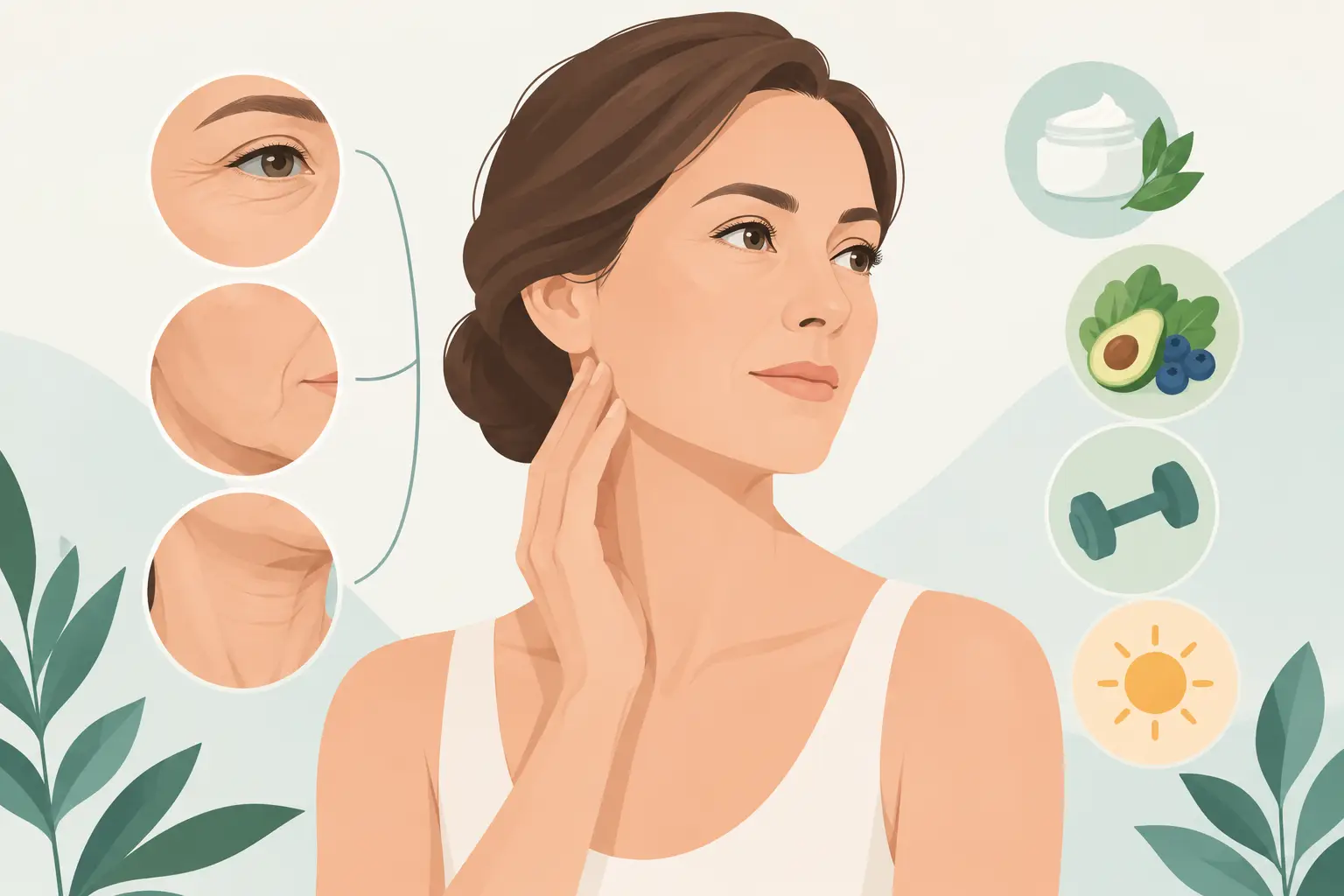
A jawline that looks softer in photos, skin that no longer feels as springy around the cheeks, or a crepey texture on the neck, arms, or abdomen can all be signs of skin laxity. These changes are common, but that does not mean you have to simply accept a one-size-fits-all answer. With thoughtful care and the right non-surgical approach, it is possible to support a firmer, more refreshed appearance while keeping your features naturally yours.
What Is Skin Laxity?
Skin laxity is the gradual loss of firmness, elasticity, and structural support in the skin. Healthy skin contains collagen and elastin, two proteins that help it look smooth, lifted, and resilient. Collagen provides strength, while elastin helps skin stretch and return to its original position.
Over time, production of both naturally slows. The result may be skin that appears looser, less defined, or less able to “bounce back.” On the face, this can show up as a softened jawline, sagging through the midface, heaviness around the mouth, or a less defined neck. On the body, laxity may be noticeable after weight changes, pregnancy, aging, or natural shifts in body composition.
Laxity is different from wrinkles, although the two often appear together. Fine lines are surface folds in the skin. Skin laxity is more about underlying support and contour. That distinction matters because the best treatment plan depends on what is actually driving the concern.
Why Does Skin Begin to Lose Firmness?
Aging is one factor, but it is not the whole story. Genetics influence how quickly someone loses collagen and where laxity becomes most visible. Sun exposure can speed up collagen breakdown, especially on the face, chest, and neck. Smoking, chronic stress, poor sleep, dehydration, and a diet lacking adequate protein and nutrients may also affect how the skin looks and recovers.
Weight loss deserves special consideration. Reaching a health goal can be empowering, yet the skin may need time to adapt to a smaller body size. How much it rebounds depends on age, genetics, how quickly weight changed, and how long the skin was stretched. In some cases, non-surgical treatments can visibly improve mild to moderate laxity. In others, especially when there is significant excess skin, surgery may be the more appropriate option. Honest guidance should always come before promising a certain outcome.
Hormonal changes can also influence the skin. Many people notice shifts in texture, dryness, and firmness during perimenopause and menopause as estrogen levels change. This is one reason aesthetic care works best when it considers the whole person, not just one area of concern.
Areas Where Skin Laxity Is Common
The face and neck are often the first places clients notice a loss of definition because they are constantly visible and highly expressive. Skin laxity can also affect the upper arms, abdomen, inner thighs, knees, buttocks, and décolletage.
Each area responds differently. Facial skin is thinner and requires a precise, conservative approach that protects natural expression. Body areas may require a treatment series and may benefit from pairing skin-tightening care with body-contouring support when both laxity and stubborn fat are present. A consultation helps separate what can be addressed with non-invasive technology from what may call for a different solution.
Early Signs Are Worth Addressing
You do not need to wait until laxity feels advanced before seeking professional guidance. Early concerns may include makeup settling into new folds, a slightly less crisp jawline, mild neck creasing, or skin that looks tired despite a consistent skincare routine. Preventative and maintenance-focused care can help support collagen before changes become more pronounced.
Non-Surgical Options for Skin Laxity
Non-surgical treatments do not replace surgery when surgery is clinically appropriate. They do offer an appealing path for people who want gradual, natural-looking refinement without incisions, anesthesia, or lengthy recovery.
At Kadmiel Advanced Integrative Aesthetics, treatment planning begins with listening. Your goals, skin quality, lifestyle, health history, and comfort with downtime all matter. Rather than treating a concern in isolation, a personalized plan can address the way skin firmness, tone, texture, hydration, and facial balance work together.
Ultrasound-Based Skin Tightening
Ultrasound technology uses focused energy to gently heat targeted layers beneath the skin’s surface. This controlled stimulation encourages the body’s collagen-building response over time. It is often selected for areas such as the brow, cheeks, jawline, under-chin area, and neck, where a subtle lifting effect can make a meaningful difference.
Results develop gradually because collagen remodeling takes time. Some clients notice an initial improvement in skin quality, with more visible refinement continuing over the following weeks and months. The goal is not to create an overdone appearance. It is to support a rested, firmer version of your own features.
Comfort levels vary by person and treatment area. A qualified provider can explain what to expect, recommend preparation, and adjust the protocol as appropriate. This kind of individualized attention helps make advanced treatment feel more approachable.
Skin Rejuvenation for Texture and Tone
When laxity appears alongside uneven tone, sun-related discoloration, dullness, or rough texture, skin rejuvenation may be part of the plan. IPL-based treatments can address visible pigment and redness concerns in suitable candidates, helping the complexion look clearer and more even. While this is not a primary lifting treatment, improved tone can make the skin appear healthier and more refreshed.
Hydrodermabrasion, oxygen facials, and personalized professional skincare can also support the outer layer of the skin. They do not tighten deeper tissue in the same way as ultrasound-based treatment, but they can improve hydration, radiance, and smoothness. Often, the most satisfying results come from respecting both layers: supporting deeper collagen while caring for the skin you see every day.
Body Contouring and Skin Quality
For body concerns, cryolipolysis may be considered when localized fat is contributing to a fuller or less-defined contour. It is designed for fat reduction, not skin tightening, so it should not be presented as a cure for loose skin. Still, in the right person and the right area, reducing stubborn fat can improve proportion and complement a broader aesthetic plan.
The key is accurate assessment. Treating volume when the true concern is loose skin can leave someone disappointed. Treating laxity without acknowledging stubborn fat can be equally limiting. A detailed consultation allows these factors to be considered together.
What Results Can You Realistically Expect?
Non-surgical skin tightening is a process, not an instant transformation. Many people appreciate that the change is gradual and discreet – friends may notice that they look rested or healthier without being able to identify why. The degree of improvement depends on the treatment selected, the area treated, baseline skin quality, age, lifestyle, and the amount of laxity present.
Mild to moderate laxity generally responds more predictably than advanced sagging or substantial excess skin. Some clients benefit from a single treatment, while others need a series or periodic maintenance to support their goals. Your provider should set clear expectations about timing, possible sensations, aftercare, and whether combining treatments would add value.
Natural-looking results also require restraint. More treatment is not automatically better. A refined approach honors your facial movement, proportions, and unique essence rather than chasing someone else’s features or an unrealistic standard.
Daily Habits That Support Firmer-Looking Skin
Professional treatments work best when they are supported by consistent home care. Daily broad-spectrum sunscreen is one of the most meaningful steps you can take to protect collagen from UV damage. A personalized skincare routine may include ingredients chosen for your skin’s tolerance and goals, such as retinoids, antioxidants, peptides, and barrier-supporting hydrators.
Your overall wellness matters, too. Adequate sleep, balanced nutrition, hydration, stress management, and avoiding smoking all support skin health. These habits cannot completely stop the aging process, and no topical product can lift significant laxity on its own. They can, however, help preserve treatment results and support healthier-looking skin over time.
If you are considering a change, begin with a professional assessment rather than guessing from before-and-after photos online. The most effective plan is one that respects where your skin is now, meets you where you are, and helps you feel more confident in the reflection you see every day.