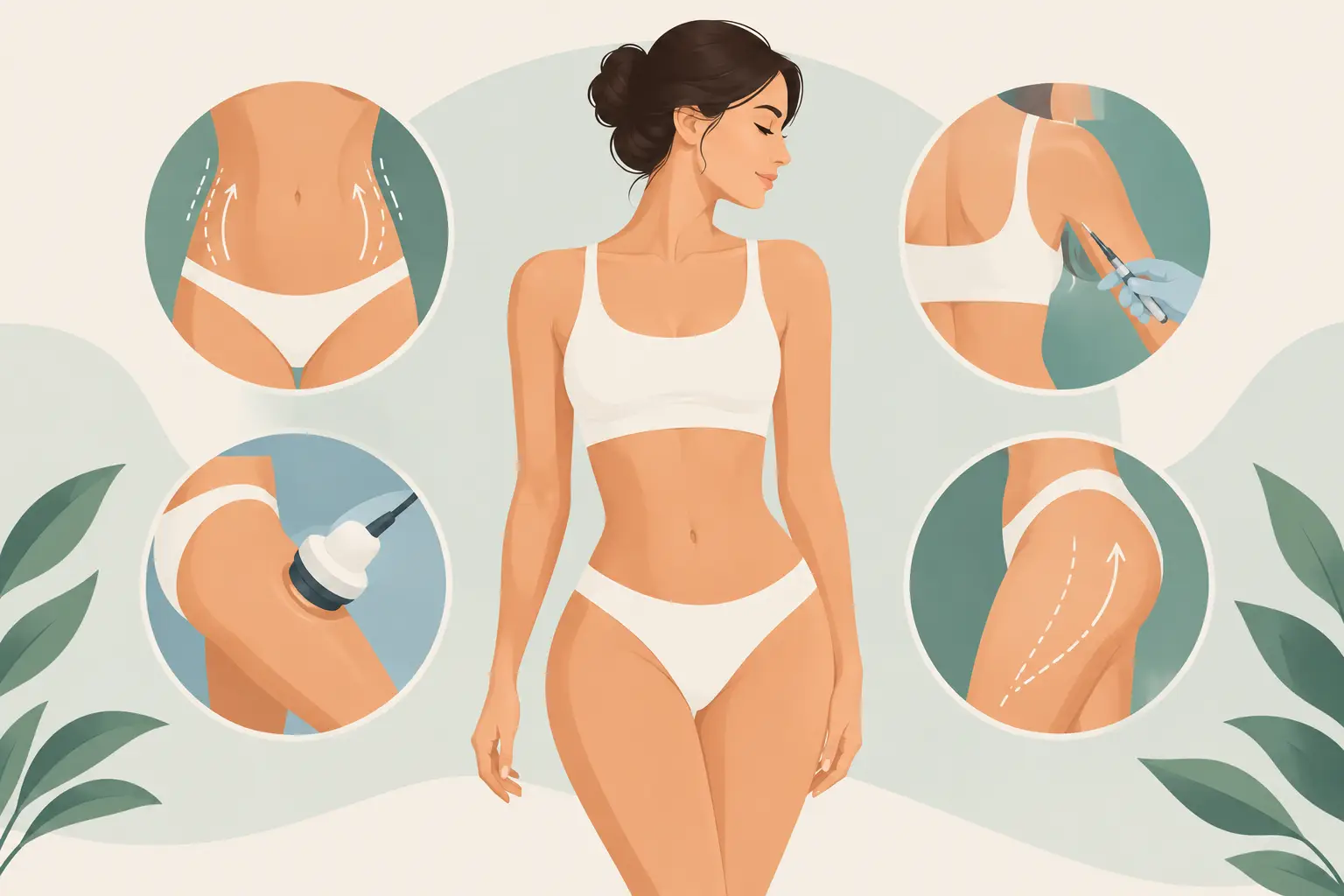
A stubborn pocket of fullness under the chin, a lower abdomen that resists your usual routine, or a contour that no longer feels like you can be frustrating. The right body contouring options can help refine areas that diet and movement alone may not change, without asking you to put your life on hold for surgical recovery. The key is choosing a treatment based on your body, goals, and comfort level – not a one-size-fits-all promise.
At Kadmiel Advanced Integrative Aesthetics, body care begins with listening. Your treatment plan should respect what makes you feel like yourself while helping you move toward a smoother, more balanced silhouette and greater confidence.
What Body Contouring Is Designed to Do
Body contouring is an umbrella term for treatments that improve the shape, proportion, or appearance of specific areas of the body. Depending on the technology and protocol, it may address localized fat, mild skin laxity, textural concerns, or a combination of these factors.
For many clients, the goal is refinement, not transformation into someone else. A non-surgical contouring treatment can be especially appealing when you are close to your comfortable, stable weight but want support with an area that feels resistant. Common concerns include the abdomen, flanks, thighs, upper arms, back, and the area beneath the chin.
It helps to set a clear expectation from the beginning: body contouring is not a weight-loss program. It does not replace nourishing meals, movement, sleep, or medical care for weight-related concerns. Instead, it can complement healthy habits by targeting the details that affect how you feel in fitted clothing, swimwear, photographs, or simply in your own skin.
Body Contouring Options: Surgical and Non-Surgical
The best choice depends on how much change you want, the condition of your skin, your medical history, your timeline, and your willingness to accept downtime. A thoughtful consultation makes these differences easier to understand.
Surgical contouring
Procedures such as liposuction or an abdominoplasty can create more dramatic changes by removing fat or excess skin surgically. They may be appropriate for people with significant skin laxity, larger-volume fat concerns, or goals that non-surgical treatments cannot realistically meet.
Surgery also requires a different level of commitment. Recovery can involve swelling, activity restrictions, incisions, compression garments, and time away from normal routines. There are surgical risks to consider, and results depend on the procedure, healing process, and the skill of a qualified surgical provider. For the right candidate, surgery can be meaningful. It is simply not the only path to feeling confident in your shape.
Non-surgical fat reduction with cryolipolysis
Cryolipolysis is a non-invasive option designed to reduce visible pockets of fat through controlled cooling. During treatment, a specialized applicator is placed on the selected area. Fat cells are more vulnerable to cold than surrounding tissue, and the body gradually processes the affected fat cells over the weeks following treatment.
This approach is often considered for pinchable, localized fullness in areas such as the abdomen, flanks, thighs, back, arms, or under the chin. There are no incisions and typically no need to pause work, errands, or many normal daily activities. Temporary redness, numbness, tenderness, bruising, or a pulling sensation can occur after treatment, and your provider will explain what is normal for the area treated.
Results are gradual by design. You may begin noticing change over several weeks, with the full visible response taking longer as your body processes the treated cells. Some people benefit from a series or from treating more than one area, while others may be satisfied with a focused plan. A stable weight helps preserve your result, although remaining fat cells can still enlarge with future weight gain.
Cryolipolysis is not right for everyone. Certain cold-related conditions, skin concerns in the treatment area, pregnancy, and other health factors may affect candidacy. There is also a rare but known risk of paradoxical adipose hyperplasia, in which treated tissue becomes firmer or more prominent rather than smaller and may require medical or surgical correction. An honest consultation should include this discussion, not gloss over it.
Skin-focused treatments and supportive care
Sometimes what looks like a fat concern is partly a skin-quality concern. Crepey texture, dehydration, uneven tone, or mild laxity can change how an area looks even when the amount of fat is minimal. In these cases, a plan focused solely on fat reduction may not deliver the polished result you have in mind.
Professional skin treatments and personalized home care can support smoother-looking, healthier skin. For facial and neck concerns, advanced non-surgical technology may help create a firmer, more refreshed appearance. Your provider can help distinguish between fullness, laxity, texture, and pigmentation so the recommendation matches the real concern instead of chasing a vague idea of perfection.
Wellness support also has a place in a complete plan. Nutritional coaching and thoughtful lifestyle guidance can help you build routines that support energy, body composition, and long-term maintenance. They are not spot-fat-reduction tools, but they can make your aesthetic investment feel more connected to how you feel day to day.
How to Choose the Right Treatment Plan
An effective plan starts with a clear conversation about what you see, what you have already tried, and what result would genuinely feel meaningful to you. Bringing attention to one or two priority areas is more useful than trying to change everything at once.
During a consultation, your provider should assess the area rather than simply recommend the most popular service. The pinch and distribution of fat, degree of skin laxity, treatment history, lifestyle, and medical considerations all matter. A 3D facial analysis can also be valuable when facial balance or submental fullness is part of your concern, helping guide care with a more complete view of your features.
Be open about your timeline. Non-surgical treatments offer the advantage of little to no downtime, but they generally require patience. If you have a vacation, wedding, or milestone approaching, planning ahead allows time for gradual changes and any recommended series. If you want a dramatic change within a very short period, a consultation may reveal that a non-surgical option is not the most realistic fit.
Cost is another practical consideration. A lower price is not always a better value if treatment is poorly matched to your anatomy or goals. Ask what is included, how many sessions may be recommended, when results are typically evaluated, and what maintenance may look like. You deserve clear answers before committing.
What Results Can Feel Like
The most satisfying body contouring outcomes tend to look natural because they honor your existing proportions. You may notice that clothes sit more comfortably, your profile feels more defined, or you spend less energy thinking about a specific area. Those changes can be quiet, but they can still be deeply affirming.
Photos can be useful for tracking progress because gradual results are easy to overlook from day to day. They should be taken consistently, with similar lighting, posture, and clothing. More importantly, give yourself permission to measure success in personal terms. Confidence is not a number on a scale or a promise of flawlessness.
Care That Respects Your Goals
Body contouring works best when it is part of an individualized care relationship, not a rushed transaction. A skilled provider will explain the expected benefit, the limits of treatment, possible side effects, and alternatives. They should also be comfortable telling you when a service is unlikely to meet your expectations.
If you are considering body contouring options in Vancouver or the greater Portland area, begin with a private consultation that puts your comfort and questions first. The right next step may be cryolipolysis, skin-focused support, wellness guidance, or simply more clarity about your goals. Feeling good both inside and out starts with care that sees the whole person – and a plan that helps you enhance your essence on your own terms.