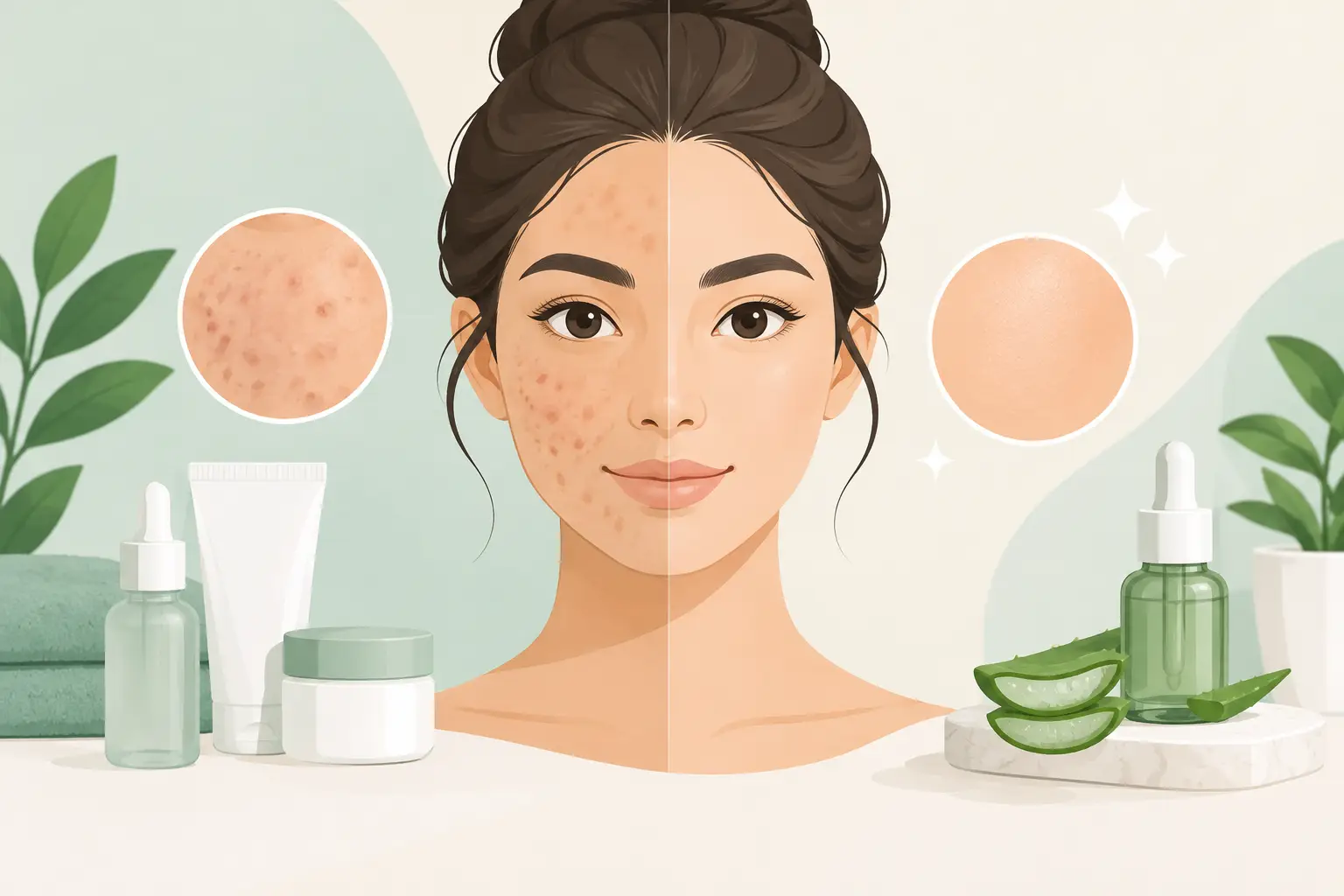
That lingering red, brown, or gray spot after a blemish heals can feel more frustrating than the breakout itself. If you are wondering how to fade acne marks, the answer is rarely one miracle product. Lasting improvement comes from identifying what type of mark you have, protecting your skin from further discoloration, and choosing treatments that respect your skin’s pace.
Acne marks are common, and they are not a reflection of how well you care for yourself. With a thoughtful plan, professional guidance when needed, and a little consistency, skin can look clearer, smoother, and more even over time.
Know the Difference Between Acne Marks and Acne Scars
The word “scar” is often used for every mark acne leaves behind, but not every spot is a true scar. This distinction matters because pigmentation and changes in skin texture respond to different approaches.
Flat red, pink, brown, or gray marks are often post-inflammatory discoloration. After inflammation from a blemish, the skin may produce extra pigment or show lingering redness as it recovers. These marks are usually flat to the touch and can gradually fade, although sun exposure, irritation, and new breakouts can make them more noticeable or longer-lasting.
True acne scars change the skin’s texture. They may appear as shallow rolling areas, narrow indentations, deeper pits, or raised tissue. Topical skincare can support overall skin health, but it cannot fully rebuild a significant indentation. These concerns often benefit from a customized professional treatment plan.
A close look in natural light can help. If the area feels smooth but looks discolored, you are likely addressing a mark. If you can feel a dip, ridge, or uneven texture, it may be a scar. Many people have both, which is why a personalized assessment can be more useful than trying random treatments one at a time.
How to Fade Acne Marks With Daily Skin Care
Your home routine creates the foundation for every improvement. It does not need to be complicated, but it does need to be gentle and consistent. Overloading the skin with acids, scrubs, and strong actives can compromise the skin barrier, trigger more inflammation, and leave marks looking darker.
Make sunscreen your non-negotiable step
Daily broad-spectrum SPF 30 or higher is one of the most meaningful things you can do for acne marks. UV exposure can deepen visible pigment and slow the fading process, even on cloudy Pacific Northwest days or during short drives. Apply sunscreen every morning, and reapply when you spend extended time outdoors.
Choose a formula you enjoy wearing. A lightweight, non-comedogenic sunscreen is more likely to become part of your routine than one that feels heavy or leaves an uncomfortable finish. Consistency matters more than chasing a perfect formula.
Use targeted ingredients thoughtfully
A gentle cleanser, moisturizer, and sunscreen are the basics. From there, one or two targeted ingredients may help improve uneven tone while supporting clearer skin.
Vitamin C can help brighten the appearance of discoloration for some skin types. Niacinamide is often well tolerated and can support a more balanced-looking complexion. Azelaic acid may be a helpful option for acne-prone skin with visible marks, while retinoids can encourage skin cell turnover and support smoother texture over time.
The best choice depends on your sensitivity, current acne activity, and other products in your routine. Introduce only one new active at a time, start slowly, and pay attention to burning, persistent stinging, flaking, or worsening breakouts. More intensity does not always mean better results.
Stop picking, even when it is tempting
Picking, squeezing, or repeatedly touching blemishes increases inflammation and raises the risk of longer-lasting marks and scars. If you tend to pick unconsciously, use a hydrocolloid patch, keep your hands busy, or place skincare products where they remind you to pause before touching your face.
Treating active acne also matters. New breakouts create new marks, which can make progress feel impossible. A plan that addresses both active congestion and discoloration is usually more rewarding than focusing on fading alone.
Professional Treatments Can Accelerate Visible Change
At-home care can make a real difference, but deeper discoloration, persistent redness, textural scarring, and recurring acne may need more targeted support. Professional treatments are selected based on your skin tone, sensitivity, acne history, lifestyle, and goals. There is no single best treatment for everyone.
IPL skin rejuvenation may be considered for certain types of visible redness and pigmentation. It uses pulses of light to target uneven color, helping the complexion look more balanced over a series of sessions. It is not appropriate for every skin tone or every type of discoloration, so proper assessment is essential for both safety and results.
For clogged pores and dull, congested skin, hydrodermabrasion or a professional deep-cleansing facial can support a fresher, smoother appearance without aggressive abrasion. These treatments can be especially helpful when your skin needs hydration and gentle exfoliation rather than another harsh at-home peel.
Professional acne protocols may combine skin-clearing care, calming treatments, and home product guidance. The goal is not to overwhelm the skin into changing quickly. It is to reduce the cycle of congestion and inflammation while helping your complexion recover with greater comfort.
At Kadmiel Advanced Integrative Aesthetics, a consultation can help clarify whether your concerns are primarily active acne, post-acne discoloration, textural scarring, melasma, or a combination. Advanced skin assessment and a tailored treatment plan allow your care to match your skin rather than follow a generic trend.
What to Avoid When You Are Treating Acne Marks
It is easy to become impatient when marks take longer to fade than expected. However, some popular shortcuts can create setbacks. Avoid scrubbing with rough exfoliants, using multiple strong acids on the same night, applying undiluted essential oils, or attempting aggressive DIY peels. These can cause irritation that prolongs visible discoloration.
Be cautious with treatments marketed as “instant” solutions. Even excellent professional care usually works gradually because the skin needs time to renew itself. If a product causes a burning sensation or leaves your skin raw, stop using it and allow your barrier to recover.
You should also avoid treating every dark spot as acne-related. Melasma, sun spots, irritation, and other forms of pigmentation can look similar at first glance but require different care. This is particularly important if marks appear symmetrically on the cheeks, forehead, or upper lip, or if they become darker with heat and sunlight.
Set a Timeline That Feels Realistic
Fading acne marks is a process, not a weekend project. Mild discoloration may begin to look softer after several weeks of consistent sun protection and appropriate skincare. More established marks can take several months, especially if you continue to experience breakouts. Textural scars often require a longer treatment strategy and a series of professional sessions.
Take a photo in the same natural lighting every four to six weeks rather than checking your skin under different bathroom lights every day. Gradual progress can be difficult to see up close, but comparison photos often reveal meaningful changes in tone, clarity, and overall radiance.
Your skin also may not improve in a straight line. Hormonal shifts, stress, travel, seasonal dryness, and a new product can all influence breakouts and sensitivity. Adjusting your plan with care is more effective than abandoning it after one difficult week.
When It Is Time to Seek Personalized Guidance
Consider professional guidance if acne is painful or cystic, marks are darkening despite careful sun protection, your skin is becoming irritated from trial-and-error products, or acne scars are affecting your confidence. A professional can help you simplify your routine, identify suitable treatments, and set expectations that feel both hopeful and realistic.
Clearer-looking skin is not about chasing perfection. It is about giving your complexion the informed, respectful care it deserves and creating a plan that helps you feel more comfortable meeting the world face to face.