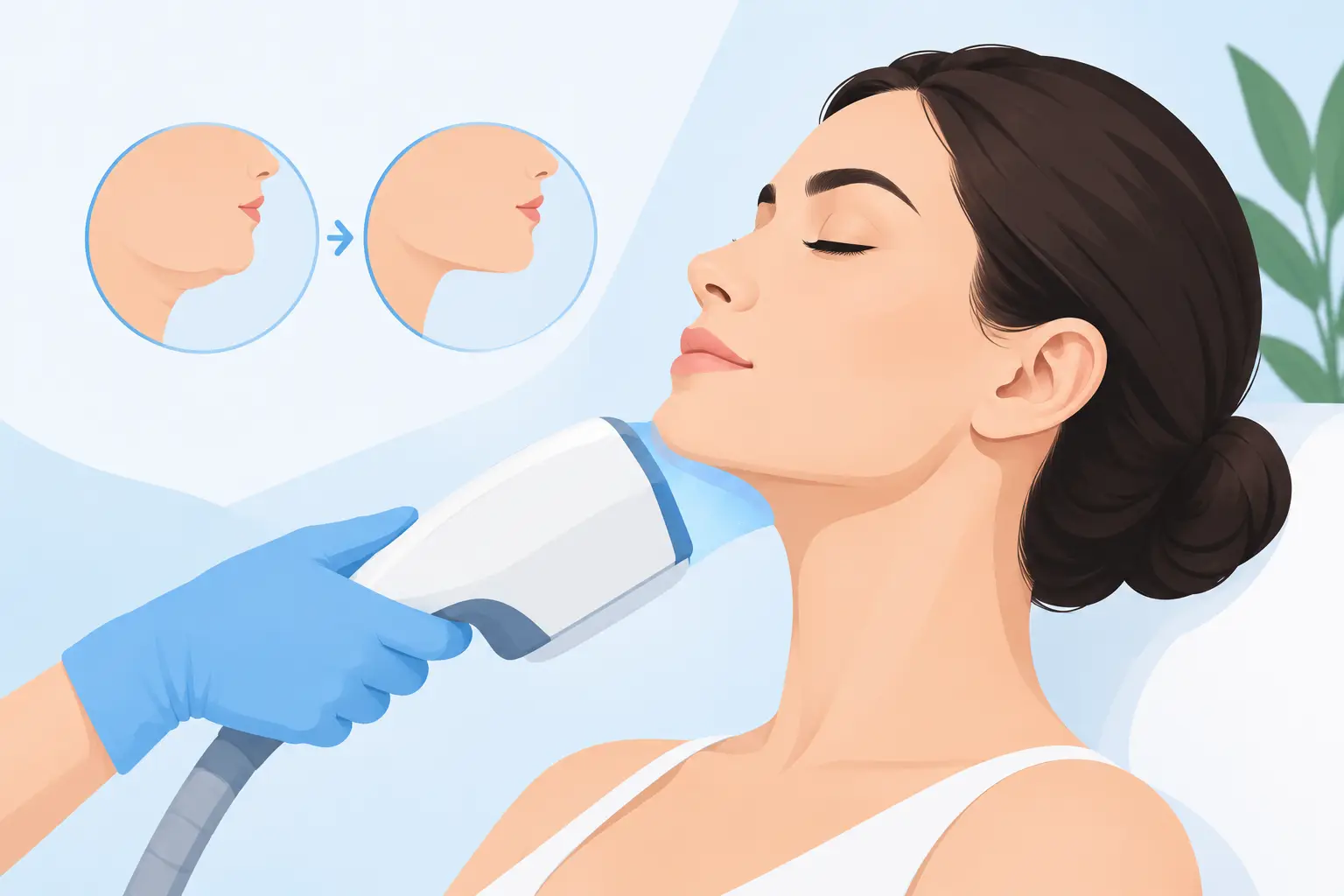
A softer jawline or the appearance of a double chin can feel frustrating, especially when it does not reflect how active or healthy you feel. If you are asking, is cryolipolysis safe for chin contouring, the honest answer is that it can be a safe, non-surgical option for appropriate candidates when it is performed with suitable technology, careful screening, and trained professional guidance.
Cryolipolysis is not a one-size-fits-all treatment, and safety begins well before the applicator touches the skin. The shape of your chin, the amount and location of fullness, your skin quality, and your medical history all matter. A thoughtful consultation helps ensure that your treatment plan supports a refined, natural-looking result while respecting your comfort and well-being.
How Chin Cryolipolysis Works
Cryolipolysis is a non-invasive body contouring treatment designed to reduce small, stubborn pockets of fat through controlled cooling. During a chin treatment, a specialized applicator is placed beneath the jawline to cool the targeted fat cells. These cells are more vulnerable to cold than the surrounding skin and tissue.
Over time, the body naturally processes the treated fat cells. This process is gradual, which is part of why the result can look subtle and harmonious rather than suddenly dramatic. Most people begin to notice a change over several weeks, with continued improvement often appearing over the following months.
The treatment is intended for localized fullness under the chin, not significant weight loss. It may be a beautiful option when you are near your desired weight but want more definition between the chin, jawline, and neck. If skin laxity is the primary concern, another treatment, such as an ultrasound-based skin-tightening approach, may better support your goals. In some cases, a customized combination plan provides the most balanced outcome.
Is Cryolipolysis Safe for Chin Contouring?
For the right candidate, chin cryolipolysis is generally considered a well-established non-surgical fat-reduction treatment. Still, “safe” does not mean risk-free. The chin and neck are visible, expressive areas, so the treatment must be approached with precision, appropriate equipment, and an understanding of facial proportions.
A reputable provider begins by evaluating whether the fullness under your chin is truly treatable fat. Some concerns that look like a double chin may be more related to loose skin, facial anatomy, posture, or a combination of factors. Treating the wrong concern can lead to disappointing results, even when the procedure itself is performed correctly.
The device and applicator must also be appropriate for the treatment area and used according to their indicated protocols. Proper placement helps protect surrounding tissue while focusing the cooling where it is intended. At Kadmiel Advanced Integrative Aesthetics, personalized assessment is central to every aesthetic journey because the most beautiful results begin with listening, not assumptions.
What the Treatment Feels Like
The beginning of a cryolipolysis session can feel intensely cold, followed by pulling or pressure as the applicator settles into place. For many clients, this sensation eases as the area becomes numb. You may relax during the appointment, although experiences vary from person to person.
After treatment, the area may feel tender, firm, tingly, or numb. Mild redness, swelling, bruising, sensitivity, or temporary changes in sensation can occur. These effects are usually temporary, but they should be discussed openly before treatment so you know what is normal and when to contact your provider.
Understanding the Risks and Side Effects
A professional consultation should include a clear conversation about both common short-term effects and less common complications. Your comfort matters, but so does informed decision-making.
Most side effects are localized and resolve without intervention. Some clients experience soreness or sensitivity that lasts longer than expected, particularly in an area as mobile as the chin and neck. Planning treatment around important events can be helpful if you want to allow time for any visible swelling or bruising to settle.
A rare but recognized complication is paradoxical adipose hyperplasia, sometimes called PAH. Instead of shrinking, the treated fat tissue becomes firmer and more noticeable over time. This is uncommon, but it is important to understand because it may require additional treatment, sometimes including surgery, to correct. A skilled provider will explain this possibility honestly rather than promising a risk-free experience.
Cryolipolysis should also be postponed or avoided for people with certain cold-related conditions, including cryoglobulinemia, cold agglutinin disease, or paroxysmal cold hemoglobinuria. Active skin irritation, infection, open wounds, or significant sensitivity in the treatment area may also mean waiting until the skin has healed. If you have a history of nerve concerns, prior neck procedures, or a medical condition that affects healing or sensation, share that information during your consultation.
Who Is a Good Candidate for Chin Cryolipolysis?
The best candidates typically have a small, pinchable pocket of fat beneath the chin and realistic expectations about gradual improvement. They are looking for contouring, not a completely different face. Cryolipolysis can help enhance the jawline, but it does not replace the structural changes achieved with surgery, nor does it tighten severely loose skin.
Skin elasticity plays an important role. When the skin has good support, it is better able to adapt as the fat layer becomes smaller. If your skin is more lax, your provider may recommend pairing contouring with treatments that support firmness or choosing a different approach altogether.
Your lifestyle also matters. Stable weight, hydration, balanced nutrition, and consistent self-care can help you maintain your result. Treated fat cells are reduced, but remaining fat cells can still enlarge with weight gain. Cryolipolysis works best as part of a sustainable wellness routine, not as a substitute for one.
Why a Personalized Treatment Plan Makes the Difference
The chin is a small area with a major visual impact. A slight improvement in submental fullness can create a more defined profile, enhance facial balance, and help you feel more confident in photographs and everyday conversation. That is why generic treatment plans are not enough.
During an individualized assessment, your provider should look at your face from multiple angles, discuss your concerns, review relevant health information, and explain what treatment can realistically accomplish. You should feel comfortable asking about the device being used, the expected treatment timeline, potential side effects, and whether another option may better suit your anatomy.
In some cases, one session may be appropriate. In others, a series of treatments or a complementary skin-firming plan may be recommended. There is no benefit in over-treating the area. A refined outcome comes from respecting your natural features and choosing the least invasive option that aligns with your goals.
Caring for Your Chin After Treatment
Most people return to normal daily activities shortly after a chin cryolipolysis appointment. Your provider may recommend gentle massage, depending on the protocol used, and will give you specific aftercare instructions based on your treatment.
For the first few days, be kind to the area. Avoid anything that causes unnecessary irritation, and let your provider know if you experience severe pain, unusual swelling, blistering, or symptoms that concern you. Although these reactions are not typical, prompt communication supports your safety and peace of mind.
Results take patience. Because your body needs time to process the treated fat cells, checking the mirror every day will not tell the whole story. Progress photos taken at consistent angles and lighting can offer a clearer view of your changing contour over time.
A more defined chin should never come at the expense of feeling heard, informed, and cared for. The right treatment is the one that honors your unique features, fits your health needs, and helps you move forward with greater confidence in the face you already have.