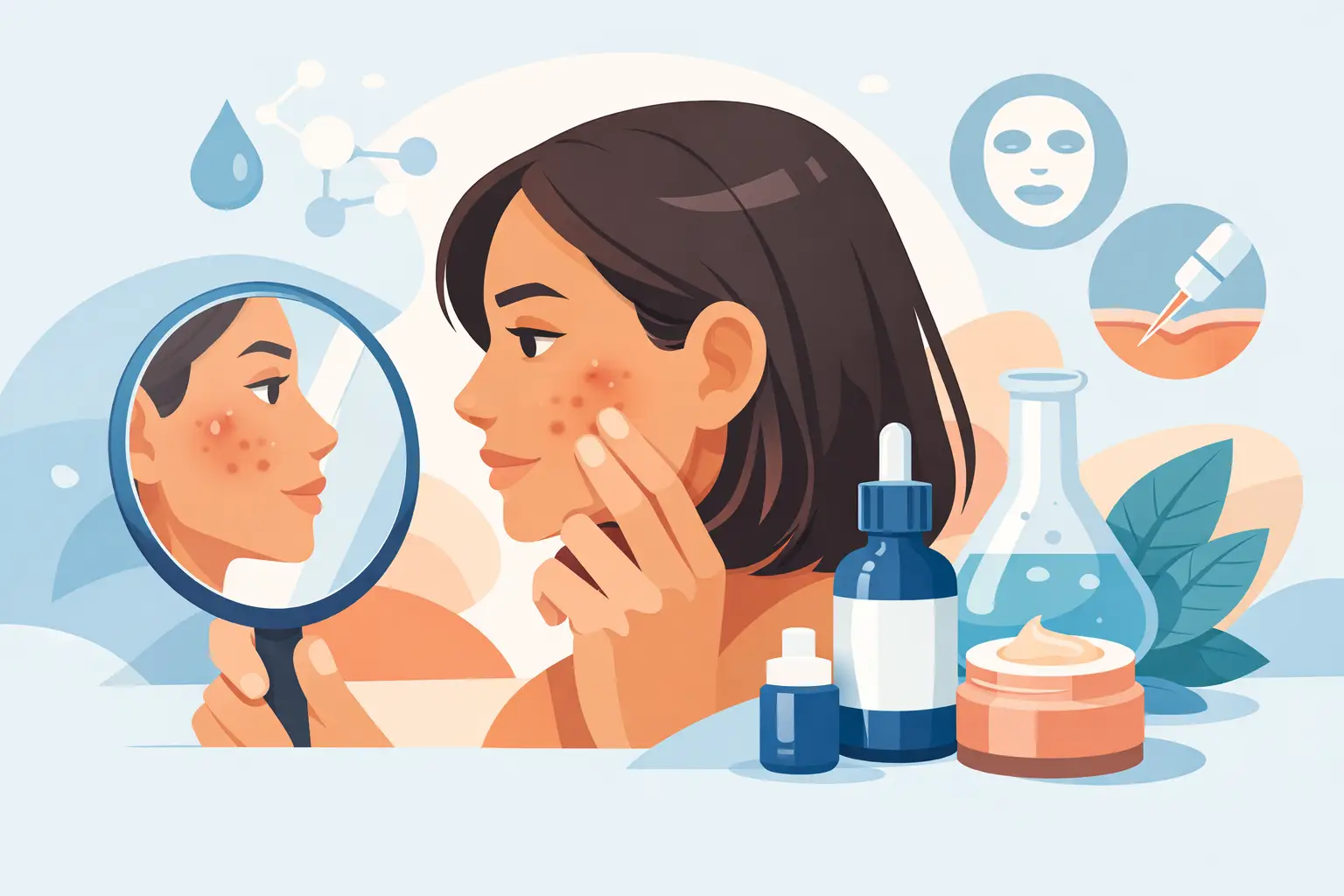
A breakout before an important meeting, a cluster of painful blemishes along the jawline, or dark marks that seem to outlast the acne itself can feel especially frustrating in adulthood. The right adult acne treatment options are not about chasing a flawless filter. They are about understanding what your skin is asking for, then choosing a thoughtful plan that supports clearer, calmer, more confident skin.
Adult acne can look different from teenage breakouts. It may show up as clogged pores across the forehead, inflamed pimples on the cheeks, deep tender bumps around the chin and jaw, or a mix of all three. A personalized approach matters because the treatment that helps congestion may not be the best first choice for sensitive, inflamed skin.
Why Adult Acne Needs a Personalized Plan
Hormonal shifts, stress, sleep changes, certain medications, pore-clogging cosmetics, sweating, and friction from masks or workout gear can all contribute to adult breakouts. For many people, acne is not caused by one single mistake or one “bad” product. It is a pattern shaped by oil production, skin-cell buildup, bacteria, inflammation, and the way your skin barrier responds to daily life.
That is why aggressive scrubbing and constantly switching products often backfire. When skin becomes irritated or over-dried, it can feel tight, sting more easily, and appear even more inflamed. The goal is to reduce congestion and breakouts while protecting the skin’s natural balance.
A professional assessment can identify whether your primary concern is active acne, stubborn clogged pores, post-breakout discoloration, uneven texture, or a combination. It also creates space to discuss your lifestyle, current routine, skin sensitivity, and the timing of breakouts. This is the foundation for care that feels considered rather than one-size-fits-all.
Adult Acne Treatment Options for Clearer Skin
Most successful acne plans combine consistent at-home care with professional treatments selected for your skin’s current condition. Results take time. Skin typically needs several weeks to respond to a new routine, and deeper hormonal acne may require ongoing support.
Thoughtful At-Home Skincare
A gentle cleanser, non-comedogenic moisturizer, and daily broad-spectrum sunscreen are the starting point, even for oily skin. Moisturizer is not optional just because you break out. A formula that supports your barrier can help your skin tolerate acne-focused ingredients more comfortably.
Over-the-counter acne ingredients can be useful when chosen carefully. Salicylic acid helps clear pore buildup and can be especially helpful for blackheads and small bumps. Benzoyl peroxide targets acne-causing bacteria and may help with inflamed blemishes, though it can be drying and may bleach fabrics. Retinoids support cell turnover and help prevent clogged pores, but they should be introduced gradually because dryness and flaking are common at first.
Use one new active ingredient at a time rather than layering several strong products together. This makes it easier to see what your skin tolerates and reduces the risk of irritation. If you are pregnant, breastfeeding, or managing a medical condition, ask your healthcare provider before using acne medications or active skincare ingredients.
Professional Deep-Cleansing Facials
When congestion is a persistent concern, professional facial care can provide a more thorough reset than home cleansing alone. A customized deep-cleansing facial can soften buildup, address surface impurities, and include careful extractions when appropriate. The experience should never leave skin feeling scraped, raw, or punished.
Korean deep-cleansing facials and hydrodermabrasion treatments can be adapted to help refine congested, dull, or uneven-looking skin while supporting hydration. This balance is valuable because acne-prone skin can be oily and dehydrated at the same time. Treatment intensity should be adjusted when blemishes are active, tender, or highly inflamed.
Professional facials are not a replacement for medical acne care when acne is severe, but they can be a meaningful part of a consistent maintenance plan. They also offer the advantage of regular check-ins, so your protocol can evolve as your skin changes.
Targeted Acne Protocols and Light-Based Care
A customized acne protocol may combine professional exfoliation, clarifying treatment steps, home-care guidance, and a recommended schedule of visits. The right approach depends on whether your skin needs more focus on clearing pores, calming inflammation, improving texture, or fading the visible reminders of old breakouts.
IPL skin rejuvenation may be considered for certain concerns after active acne is under control, particularly lingering redness or uneven-looking pigmentation. It is not a universal acne treatment, and it is not always the first choice for active, inflamed breakouts. Skin tone, pigment history, sensitivity, and the type of discoloration all matter when determining whether light-based treatment is appropriate.
For clients in Vancouver and the greater Portland area, Kadmiel Advanced Integrative Aesthetics begins with a consultation-led approach, pairing advanced skin analysis with a plan designed around your skin rather than a generic menu of services. This allows treatment to be adjusted with care as your skin becomes clearer and stronger.
Prescription Support Through a Dermatology Provider
Some adult acne needs medical treatment, especially when breakouts are cystic, painful, widespread, leaving scars, or not improving with consistent over-the-counter care. A dermatologist or qualified medical provider may recommend prescription topical retinoids, antibiotics, hormonal therapies, or other medications based on your health history and acne pattern.
There is no failure in needing prescription support. Acne is a skin condition, not a reflection of cleanliness or effort. Professional aesthetic care and dermatology can work well alongside one another when each provider understands the overall plan.
Treating Acne Marks Without Rushing the Process
A blemish can heal, yet leave behind a red, pink, brown, or gray-toned mark that keeps skin looking uneven. These marks are often post-inflammatory discoloration, not permanent scarring. They can fade gradually, but sun exposure and repeated irritation may make them more noticeable or longer-lasting.
Daily sunscreen is one of the most practical ways to protect progress. Professional exfoliation, hydrating facials, and selected light-based treatments may also help improve the appearance of uneven tone once active inflammation is managed. The sequence matters. Trying to correct pigment while new breakouts continue may leave skin caught in a frustrating cycle.
True acne scars, such as indented or raised texture changes, require a different conversation and may need medical or specialized treatment. An honest assessment helps set realistic expectations and protects you from investing in the wrong service.
What to Avoid When You Are Breaking Out
Picking or squeezing blemishes can push inflammation deeper and increase the risk of marks and scarring. Harsh scrubs, alcohol-heavy toners, and frequent at-home peels can create irritation that looks and feels worse than the original breakout.
Be cautious with viral skincare advice that promises to dry out acne overnight. Quick fixes can be tempting, particularly before an event, but skin responds better to calm consistency. Keep makeup brushes, pillowcases, phone screens, and workout accessories clean, and choose makeup and skincare labeled non-comedogenic when possible.
If breakouts consistently flare around your cycle, after a product change, or during periods of stress, make a note of the pattern. That information can make a consultation far more productive and help distinguish a temporary flare from a concern that needs a more comprehensive plan.
Build a Routine You Can Actually Maintain
The best acne plan is one you can follow long enough to see a difference. A complicated 10-step routine is rarely necessary. Start with a gentle foundation, introduce targeted treatment slowly, and schedule professional care at intervals that fit your skin and your life.
Give yourself permission to approach acne with patience rather than criticism. Clearer skin often comes from small, well-chosen actions repeated consistently, supported by care that honors both your comfort and your confidence.
Responses
[…] provider assesses your skin and discusses concerns such as dryness, clogged pores, uneven texture, acne-prone areas, sensitivity, or the desire for a brighter glow. This conversation helps determine whether […]
[…] active acne also matters. New breakouts create new marks, which can make progress feel impossible. A plan that […]
[…] needs a more personalized approach. This is especially true if you have recurring breakouts, painful acne, melasma, sensitive skin, or dark marks after blemishes. What looks like a simple clogged pore can […]